
Can You Sue for a Missed Diagnosis by a Remote Radiologist?
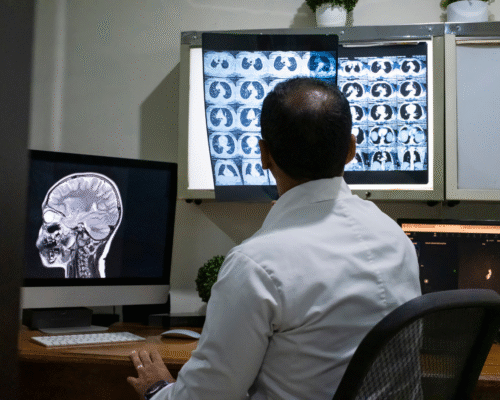
Medical imaging plays a critical role in modern healthcare. Emergency physicians, surgeons, oncologists, neurologists, and other medical professionals rely on radiologists to identify injuries, diseases, and life-threatening conditions hidden within diagnostic scans. In recent years, hospitals and healthcare systems have increasingly turned to teleradiology, allowing radiologists to interpret imaging studies remotely rather than onsite.
Remote radiology has expanded access to specialized diagnostic expertise and helped hospitals provide around-the-clock coverage. But this technology does not eliminate the risk of medical mistakes. When a remote radiologist overlooks a fracture, misses a stroke, fails to identify cancer, or delays reporting a critical finding, patients may suffer devastating consequences.
A missed diagnosis by a remote radiologist may give rise to a medical malpractice claim. Leventhal Puga Braley P.C. is a radiology malpractice law firm in Denver. Our experienced attorneys can review your case and advise you about your options for moving forward with a claim.
What Is Teleradiology?
Teleradiology is the practice of transmitting medical images electronically so they can be interpreted by a radiologist located elsewhere. The radiologist reviews the images, generates a report, and communicates findings back to the treating physicians. When mistakes occur, the consequences can be severe.
Rather than being physically present in a hospital, a remote radiologist may review and interpret:
- X-rays
- CT scans
- MRI studies
- Ultrasounds
- Mammograms
- Nuclear medicine studies
- PET scans
- Fluoroscopy images
Can a Remote Radiologist Be Held Liable for a Missed Diagnosis?
Remote radiologists are held to the same professional standards as radiologists working inside a hospital. The fact that a physician interprets images remotely does not lower the standard of care owed to patients.
If a radiologist fails to identify findings that a reasonably careful radiologist should have recognized, that conduct may constitute remote diagnostic negligence.
Examples may include:
- Missing obvious abnormalities
- Misinterpreting imaging findings
- Failing to recommend additional testing
- Delaying communication of urgent findings
- Issuing inaccurate reports
- Ignoring critical diagnostic indicators
Common Teleradiology Errors That Lead to Medical Malpractice Claims
Radiology mistakes can affect virtually every area of medicine. Some of the most common radiology interpretation errors involve the following conditions.
- Missed Fractures. A missed fracture can lead to delayed treatment, improper healing, and complications that worsen over time. Patients may suffer permanent impairment, chronic pain, or require additional surgeries to correct the damage.
- Failure to Identify Stroke. When radiologists fail to identify signs of stroke, patients may lose the opportunity to receive time-sensitive treatments that can significantly improve outcomes. A delayed stroke diagnosis can result in permanent brain damage, paralysis, cognitive impairment, speech deficits, or even death.
- Overlooked Tumors and Cancer. Radiologists may fail to detect serious conditions such as lung nodules, breast cancer findings, brain tumors, colon masses, bone cancers, and liver lesions, potentially delaying critical treatment. A delayed cancer diagnosis may allow the disease to progress, reducing treatment options and worsening prognosis.
- Pulmonary Embolism Misreads. Pulmonary embolisms are potentially fatal blood clots that travel to the lungs. A missed pulmonary embolism can lead to respiratory failure, cardiac arrest, permanent disability, or even wrongful death.
- Missed Internal Bleeding. Failure to recognize bleeding or organ damage may delay lifesaving intervention and place patients at significant risk.
Communication Breakdowns in Teleradiology
One of the most significant risks associated with telemedicine malpractice claims involves communication. In these cases, a patient may suffer substantial harm even when the imaging interpretation itself was accurate.
Remote radiologists may have limited direct interaction with treating physicians. Potential communication failures include:
- Reports sent to the wrong provider
- Critical alerts not delivered
- Incomplete documentation
- Unclear recommendations
- Failure to confirm receipt of urgent findings
Who May Be Legally Responsible for a Teleradiology Error?
One of the most important questions in any teleradiology malpractice lawsuit is determining who may be responsible for the patient’s injuries.
The Remote Radiologist
The radiologist who interpreted the images may be liable if they committed radiology interpretation errors that represent a breach of the standard of care.
Teleradiology Companies
Many hospitals contract with independent teleradiology groups rather than employing radiologists directly. These companies may bear responsibility if their policies, staffing decisions, supervision practices, or operational procedures contribute to patient harm.
Hospitals and Healthcare Systems
Hospital liability for radiology mistakes may arise under numerous circumstances.
Examples include:
- Negligent credentialing
- Inadequate staffing
- Failure to establish communication protocols
- Technology deficiencies
- Failure to supervise contractors
- System-wide patient safety failures
Emergency Physicians and Treating Providers
In some situations, treating physicians may share responsibility if they ignore radiology findings, fail to order appropriate testing, or do not act upon available information.
Technology Vendors
Software developers and technology providers may bear liability when defective systems contribute to diagnostic failures.
Why Teleradiology Cases Require a Thorough Investigation
Determining who made the mistake is only one part of the investigation. Identifying every contributing failure is essential to building a strong case.
Radiology malpractice attorneys may examine:
- Multiple healthcare entities
- Interstate provider relationships
- Communication systems
- Contractual arrangements
- Technology platforms
- Staffing decisions
- Image transmission records
- Quality assurance procedures
How Our Attorneys Help Patients After a Radiology Error Occurs
When radiology interpretation errors result in a delayed diagnosis, missed treatment opportunity, permanent injury, or wrongful death, patients need attorneys who understand both the medical and legal issues involved in these highly technical cases.
Leventhal Puga Braley P.C. has built a national reputation handling complex medical malpractice, delayed diagnosis, hospital negligence, and catastrophic injury cases. Founded in 1981, the firm is recognized as one of the premier medical malpractice law firms in the United States and has obtained substantial verdicts and recoveries for injured clients.
Leventhal Puga Braley P.C. has secured record-breaking jury verdicts in Colorado malpractice cases. Our attorneys have earned an AV Rating from Martindale-Hubbell, which is their highest ranking for ethical standards and legal ability.
Speak With an Experienced Radiology Malpractice Lawyer in Denver
If you have suffered harm because of a missed diagnosis, delayed report, or remote radiology error, contact Leventhal Puga Braley P.C. for a no-charge initial consultation.
Our attorneys investigate teleradiology malpractice lawsuits, remote diagnostic negligence claims, delayed diagnosis medical malpractice cases, hospital liability for radiology mistakes, and other serious telemedicine malpractice claims.
Call (303) 759-9945 to learn more today.
FAQS About Remote Radiology and Missed Diagnosis
Can I seek compensation if a remote radiologist missed a diagnosis on my CT scan or MRI?
If a remote radiologist failed to identify a condition that a reasonably competent radiologist should have recognized and that error was a cause of your harm, you may have grounds for a medical malpractice claim. A thorough review of the imaging studies and medical records is often necessary to determine whether a breach of the standard of care occurred.
What are the most common teleradiology errors?
Common radiology interpretation errors include missed fractures, overlooked tumors, failure to identify strokes, pulmonary embolism misreads, delayed diagnosis of cancer, and failure to recognize internal bleeding. Communication failures and delayed reporting of critical findings can also lead to serious patient injuries.
Who can be held responsible for a teleradiology mistake?
Several parties may be responsible, including the remote radiologist, a teleradiology company, the hospital or healthcare system, and in some cases the treating physician. Determining liability often requires an investigation into communication protocols, staffing decisions, technology systems, and the circumstances surrounding the diagnostic error.
Can a hospital be liable for a remote radiologist’s mistake?
Yes. Hospital liability for radiology mistakes may arise if the facility failed to properly credential providers, maintain effective communication systems, ensure adequate staffing, or address technology problems that contributed to the error. Hospitals may also be responsible for system-wide patient safety failures.
What evidence is needed to prove a teleradiology malpractice lawsuit?
Evidence commonly includes the original imaging studies, radiology reports, hospital records, electronic medical records, communication logs, and expert medical testimony.
What compensation may be available after a missed radiology diagnosis?
Patients may be able to recover compensation for medical expenses, future treatment costs, lost income, reduced earning capacity, pain and suffering, and other damages.
Contact Us
Categories
Recent Posts
 Locations We Serve
 Locations We Serve
- Arizona
- Colorado
- Hawaii
- Iowa
- Minnesota
- New York
- North Carolina
- Washington
- Wisconsin
- Wyoming