
Kratom and Brain Injury Risks: What Families Need to Know Before It’s Too Late
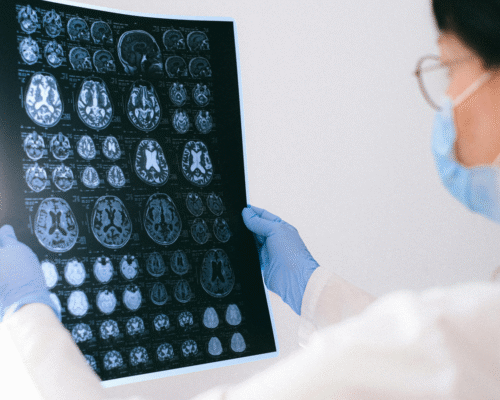
Kratom has become increasingly popular across the United States. It is often marketed as a natural supplement that may help with pain management, energy, anxiety, or opioid withdrawal symptoms. Consumers can purchase kratom products in smoke shops, convenience stores, supplement stores, and online marketplaces with little difficulty.
People may assume that products sold as natural supplements are safe, but that isn’t always true. Some kratom products may present significant health risks. Serious concerns continue to surround the safety of kratom and its potential effects on the brain and nervous system.
Federal regulators, healthcare professionals, and researchers have raised alarms regarding adverse events associated with kratom use, including seizures, respiratory depression, altered mental status, and death. Kratom-related complications may result in permanent neurological injuries and devastating brain damage.
If you or a loved one has suffered injuries after using a product containing kratom, talk to the Denver product liability attorneys at Leventhal Puga Braley P.C. by calling (303) 759-9945 or toll-free at (877) 433-3906. We can review your situation and advise you about your options for seeking compensation to cover the cost of your medical bills, lost wages, and over damages.
What Is Kratom?
Kratom comes from the leaves of the Mitragyna speciosa tree, a plant native to Southeast Asia. The plant contains active compounds known as alkaloids, including Mitragynine and 7-hydroxymitragynine. When these compounds interact with receptors in the brain, it can produce stimulant-like effects at lower doses and opioid-like effects at higher doses.
Kratom products are commonly sold in these forms:
- Powders
- Capsules
- Tablets
- Gummies
- Extracts
- Liquid concentrates
- Teas
FDA Warnings and Regulatory Concerns
Although kratom remains available in many areas, the Food and Drug Administration (FDA) has consistently emphasized that consumers should be aware of the potential risks associated with these products. The FDA has issued numerous warnings regarding kratom and continues to express concerns about its safety. Among the agency’s concerns are:
- Serious adverse health events
- Potential addiction risks
- Product contamination
- Misleading marketing practices
- Unapproved medical claims
Why Are Health Officials Concerned About Kratom?
One of the major concerns involving kratom products is the lack of consistent regulation. Products may vary significantly in potency, concentration, purity, and ingredient composition.
Many kratom products enter the marketplace without undergoing extensive safety testing or clinical review. As a result, consumers have limited information regarding dosage, potency, contaminants, or long-term health risks.
The FDA has repeatedly warned consumers about the potential dangers associated with kratom use. These concerns include:
- Respiratory depression
- Seizures
- Addiction and dependence
- Liver toxicity
- Cardiac complications
- Product contamination
- Serious neurological events
Kratom Use and Brain Injuries
Research regarding kratom continues to emerge, but numerous reports have linked kratom use to serious neurological complications. Resulting injuries may include:
- Seizures
- Oxygen deprivation (hypoxia)
- Toxic reactions
- Drug interactions
- Cardiovascular complications
When these events occur, the resulting injuries can be catastrophic, the damage may be permanent.
Hypoxia-Related Brain Damage
Hypoxia is a condition in which the body’s tissues do not receive enough oxygen to function normally. Oxygen is essential for producing energy in cells, so inadequate oxygen levels can cause damage to organs and tissues if not corrected.
Hypoxic brain injuries often require extensive medical treatment and may leave individuals unable to return to work or live independently. Consequences may include:
- Memory impairment
- Cognitive deficits
- Speech difficulties
- Motor dysfunction
- Permanent disability
- Death
Kratom Seizure Injury Risks
One of the most frequently reported neurological complications associated with kratom use is seizure activity. A kratom-related seizure may occur when abnormal electrical activity develops in the brain following ingestion of the substance.
Seizures can create serious dangers, including:
- Falls
- Head trauma
- Loss of consciousness
- Motor vehicle accidents
- Oxygen deprivation
- Brain injury
In severe cases, prolonged seizures can result in permanent neurological damage. People who experience seizure-related injuries frequently require emergency medical care, hospitalization, rehabilitation, and long-term treatment.
Kratom and Neurological Damage
Kratom-related neurological damage may take many forms beyond seizure activity. Neurological complications have been associated with kratom use.
Symptoms may include:
- Confusion
- Hallucinations
- Cognitive impairment
- Tremors
- Altered mental status
- Loss of consciousness
- Neuromuscular complications
The Danger of Contaminated Kratom Products
One of the most significant concerns involving kratom products is contamination. Contaminated products may increase the risk of neurological injury and other serious health complications. Consumers have no practical way to verify whether a product has been adequately tested or manufactured according to appropriate safety standards.
Investigations have identified contaminants including:
- Heavy metals
- Bacteria
- Synthetic substances
- Undisclosed ingredients
Product Potency and Concentrated Extracts
Kratom products may contain highly concentrated extracts that can expose consumers to significantly greater amounts of active compounds than traditional kratom preparations. Consumers may unknowingly ingest dangerous concentrations, especially when the product labeling is inconsistent or inadequate.
Potential concerns include:
- Unpredictable potency
- Higher overdose risk
- Increased seizure potential
- Greater likelihood of adverse neurological effects
What Are the Legal Grounds for Filing a Brain Injury Claim?
When a company places an unreasonably dangerous product into the marketplace, injured consumers may have legal options. Certain circumstances may support dangerous supplement claims or product liability litigation.
Potential grounds for legal action may include:
- Defective products
- Product contamination
- Inadequate warnings
- Misleading marketing
- Manufacturing defects
- Failure to test products properly
Who May Be Liable for a Kratom-Related Brain Injury?
Several parties may potentially share responsibility for a serious injury.
Manufacturers
Manufacturers may be held responsible if they produce contaminated products, use unsafe manufacturing practices, or misrepresent a product’s safety. They may also be liable for failing to warn consumers about known risks associated with their products.
Distributors
Distributors that place dangerous products into the marketplace may face scrutiny when safety problems arise.
Retailers
Retail stores and online sellers may sometimes be named in litigation involving defective or dangerous products.
Testing Laboratories
Some manufacturers rely on third-party laboratories to verify product quality and purity. If testing procedures are inadequate or inaccurate, these entities may become relevant to an investigation.
What Is a Product Liability Lawsuit?
A product liability lawsuit is a legal claim alleging that a kratom product was defective or unreasonably dangerous. In these cases, several legal theories may apply:
- Failure to Warn. Manufacturers have a responsibility to provide adequate warnings regarding known risks. Claims may arise when consumers are not informed of dangers involving seizures, neurological injuries, respiratory depression, or other serious complications.
- Manufacturing Defects. Errors during production may result in contaminated or unsafe products. Examples of supplement contamination or defects may include bacterial contamination, heavy metal contamination, improper concentration of ingredients, and the presence of undisclosed ingredients.
- Defective Product Design. In some situations, plaintiffs may argue that a product’s design itself creates unreasonable dangers.
Compensation That May Be Available?
People who suffer serious brain injuries may face lifelong consequences. Damages in a product liability claim or lawsuit may include:
- Medical expenses
- Future medical treatment
- Rehabilitation costs
- Lost income
- Reduced earning capacity
- In-home care
- Pain and suffering
- Permanent disability damages
Speak With a Trusted Product Liability Attorney in Denver
Leventhal Puga Braley P.C. has built a national reputation handling catastrophic injury, product liability, and medical negligence cases. Founded in 1981, the firm is recognized as one of the leading trial law firms in the United States. We have secured record-breaking verdicts and settlements for injured clients in Denver and across the country.
If you or a loved one suffered a serious neurological injury after using kratom, contact a Denver kratom brain injury lawyer at Leventhal Puga Braley P.C. for a no-charge initial consultation.
Call (303) 759-9945 or toll-free at (877) 433-3906 to discuss your potential claim and learn how we may be able to help you pursue answers, accountability, and compensation.
FAQS About Kratom and Brain Injuries
What types of kratom side effects involving the brain have been reported?
Reported kratom side effects affecting the brain and nervous system include seizures, confusion, hallucinations, loss of consciousness, cognitive impairment, tremors, and hypoxic brain injuries resulting from oxygen deprivation.
Can a seizure result in permanent neurological damage?
A seizure injury may lead to falls, head trauma, prolonged oxygen deprivation, or other complications that may be a cause of lasting brain damage. Some individuals experience permanent cognitive, physical, or neurological impairments following severe seizure-related events.
Who may be liable for a kratom-related brain injury?
Liable parties may include manufacturers, distributors, retailers, and other entities involved in bringing the product to market. Liability may arise when products are contaminated, improperly labeled, defectively manufactured, or sold without adequate warnings about known risks.
What evidence is needed to prove a kratom brain injury lawsuit?
Evidence may include medical records, neurological evaluations, toxicology reports, product testing results, manufacturing records, and expert testimony. A successful claim typically requires proof that the kratom product contributed to the injury and that a defect, contamination issue, or inadequate warning played a role.
Contact Us
Categories
Recent Posts
 Locations We Serve
 Locations We Serve
- Arizona
- Colorado
- Hawaii
- Iowa
- Minnesota
- New York
- North Carolina
- Washington
- Wisconsin
- Wyoming