
Anesthesia Mistakes During a Child’s Surgery: What Parents Should Know
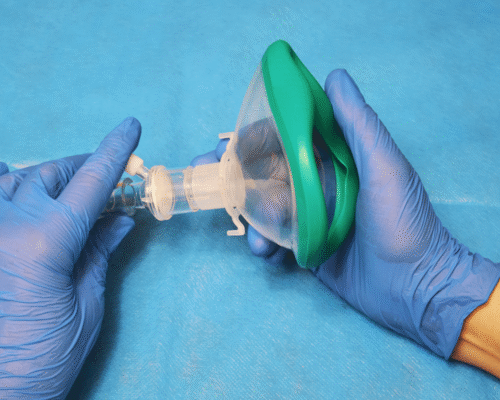
Children undergoing surgery depend on medical professionals to administer anesthesia safely and accurately. Children require highly individualized anesthesia dosing based on factors such as age, weight, developmental stage, medical history, and underlying health conditions. A dosage miscalculation may place a child at risk of catastrophic harm, including oxygen deprivation, brain injury, cardiac arrest, permanent disability, or death.
When a preventable anesthesia mistake occurs, families deserve answers. Determining what happened often requires a thorough investigation into operating room procedures, medication administration protocols, staffing decisions, communication breakdowns, and patient monitoring records.
At Leventhal Puga Braley P.C., our Denver pediatric malpractice attorneys understand the devastating consequences of surgical negligence.
Why Pediatric Anesthesia Requires Special Care
Administering anesthesia to children is significantly different from treating adult patients. Children’s bodies process medications differently, and dosage calculations must account for precise weight measurements and developmental considerations.
Pediatric anesthesia providers must evaluate numerous factors before surgery, including:
- The child’s exact weight
- Age and developmental stage
- Allergies and medication history
- Existing medical conditions
- Airway anatomy
- Previous reactions to anesthesia
- Planned surgical procedure
Because anesthesia medications affect breathing, blood pressure, heart rate, and brain function, even a slight error may have life-altering consequences. This is why pediatric anesthesia providers are expected to follow strict standards of care designed to minimize preventable risks.
How Anesthesia Dosage Errors Occur
Many anesthesia mistakes stem from breakdowns in systems and procedures that are intended to protect patients.
Incorrect Weight Calculations
Most pediatric anesthesia medications are administered according to a child’s weight. If a child’s weight is entered incorrectly into a medical record or calculated using pounds instead of kilograms, dosage errors may occur.
Examples include recording an outdated weight, making mathematical calculation or unit conversion errors, and entering incorrect information into electronic medical record systems. A dosage based on inaccurate weight information may result in overmedication or underdosing.
Communication Failures Among Surgical Teams
Successful pediatric surgeries require coordination among surgeons, anesthesiologists, CRNAs, nurses, pharmacists, and support staff.
Communication failures may involve:
- Incomplete patient handoffs
- Misunderstood medication orders
- Failure to communicate allergies
- Incorrect procedure information
- Missing updates regarding patient condition
These breakdowns can contribute directly to anesthesia negligence claims.
Electronic Medical Record Errors
Hospitals increasingly rely on electronic health records and computerized medication systems. While these technologies are designed to improve safety, they can also introduce risks when information is entered incorrectly.
Potential problems include:
- Auto-populated medication doses
- Incorrect patient charts
- Software interface errors
- Duplicate medication entries
- Alert fatigue causing providers to ignore warnings
When electronic systems contribute to an injury, investigators may examine whether healthcare providers and institutions followed appropriate safeguards.
Medication Mix-Ups
Operating rooms contain numerous medications that may look similar or have similar names. Examples of medication-related mistakes include:
- Administering the wrong drug
- Giving the incorrect concentration
- Improper labeling of syringes
- Selecting the wrong medication from storage systems
- Mixing medications incorrectly
Inadequate Monitoring During Surgery
Safe anesthesia care requires continuous monitoring of a child’s condition before, during, and after surgery. Failure to identify signs of distress promptly may allow preventable complications to worsen, potentially leading to permanent injury.
Providers are expected to continuously monitor oxygen saturation, heart rate, blood pressure, breathing patterns, carbon dioxide levels, and neurological status throughout the procedure.
What Injuries Can Result from Anesthesia Errors?
The consequences of pediatric anesthesia mistakes vary depending on the nature of the error and how quickly it is recognized. Children who survive a serious anesthesia event may require lifelong medical treatment, rehabilitation, educational support, and in-home care.
Injuries may include:
- Oxygen deprivation
- Hypoxic brain injury
- Cardiac arrest
- Respiratory failure
- Seizures
- Stroke
- Organ damage
- Developmental delays
- Cognitive impairments
- Permanent neurological disabilities
- Wrongful death
Who Is Liable for Pediatric Anesthesia Errors?
Several individuals and organizations may share responsibility for an anesthesia mistake.
Anesthesiologists
Anesthesiologists are responsible for evaluating patients, determining appropriate medication dosages, administering anesthesia, and monitoring patients throughout surgery.
A breach of the standard of care may occur if an anesthesiologist:
- Uses an improper dosage
- Fails to review medical history
- Ignores warning signs
- Does not monitor the patient appropriately
Certified Registered Nurse Anesthetists (CRNAs)
CRNAs frequently participate in pediatric anesthesia care. Depending on the circumstances, a CRNA may be responsible if negligent conduct contributes to a child’s injury.
Supervising Physicians
In some situations, supervising physicians may share responsibility when they fail to properly oversee anesthesia providers or intervene when patient safety concerns arise.
Hospitals and Surgical Centers
Hospitals often play a central role in anesthesia dosage error lawsuit investigations. Liability for anesthesia mistakes may arise when healthcare facilities contribute to unsafe conditions.
Examples include:
- Inadequate staffing
- Insufficient training
- Failure to enforce safety protocols
- Negligent credentialing practices
- Unsafe medication storage procedures
- Defective electronic record systems
Pharmacists
Pharmacists may contribute to medication injuries if they prepare, label, dispense, or verify medications incorrectly.
Healthcare Systems and Corporate Entities
Large healthcare organizations may be responsible for system-wide failures that contribute to patient harm, including defective procedures, inadequate supervision, or unsafe operational practices.
Can a Hospital Be Sued If the Anesthesiologist Is an Independent Contractor?
Hospitals may try to argue that anesthesiologists are independent contractors rather than employees. But that doesn’t automatically prevent a claim against the hospital.
Even if an anesthesiologist is classified as an independent contractor, a hospital may still be held responsible under certain legal theories. These may include apparent agency, negligent credentialing, and corporate negligence when the facility fails to maintain appropriate patient safety standards.
Hospital liability may also arise from staffing failures or deficiencies in policies and procedures that contribute to a child’s injury. An experienced pediatric medical malpractice attorney can investigate contractual relationships and determine all potentially responsible parties.
What Evidence Is Needed to Prove Anesthesia Negligence?
A successful anesthesia dosage error lawsuit requires a detailed review of medical evidence. Pediatric malpractice attorneys work with anesthesiology experts, pediatric specialists, pharmacists, and patient safety professionals to evaluate these complex cases.
When Leventhal Puga Braley P.C. files an anesthesia error claim or lawsuit, it can include the following types of evidence:
- Surgical records
- Anesthesia records
- Medication administration logs
- Electronic health record data
- Pharmacy records
- Monitoring records
- Internal hospital policies
- Witness testimony
- Expert medical opinions
How Leventhal Puga Braley P.C. Helps Families Pursue Answers
Leventhal Puga Braley P.C. has built a national reputation handling complex medical malpractice, birth injury, and pediatric surgical negligence cases. Founded in 1981, the firm has recovered substantial verdicts and settlements in catastrophic injury cases.
Our partner James Puga secured a $67 million verdict in Denver County District Court in a medical malpractice case for a child who suffered a brain injury due to negligent care during pediatric cardiac surgery.
When a child suffers harm because of anesthesia negligence, families deserve a legal team capable of conducting an exhaustive investigation and presenting compelling evidence before a jury when necessary.
Speak With a Trusted Pediatric Malpractice Attorney in Denver
If your child suffered a serious injury following surgery and you suspect an anesthesia mistake may have occurred, contact Leventhal Puga Braley P.C. for a no-charge initial consultation.
Our trial attorneys investigate anesthesia negligence claims, surgical medication errors in children, birth injury and pediatric surgical negligence cases, and other catastrophic medical malpractice matters in Denver and nationwide.
Call (303) 759-9945 to discuss your case with an experienced pediatric medical malpractice attorney and learn how we may be able to help your family pursue answers and accountability.
Frequently Asked Questions About Pediatric Anesthesia Errors
Can a hospital be held responsible for an anesthesia mistake?
Yes. Hospital liability for anesthesia mistakes may arise when a healthcare facility’s actions contribute to a child’s injury. Examples include inadequate staffing, negligent credentialing, insufficient training, poor medication safety procedures, or failures in electronic medical record systems. A thorough investigation is often necessary to determine whether the hospital shares responsibility for the injury.
What evidence is needed to prove an anesthesia negligence claim?
Proving anesthesia negligence claims typically requires extensive medical evidence, including anesthesia records, surgical reports, medication administration logs, monitoring data, and expert testimony. To succeed, the client must prove a breach of the standard of care, prove that this breach was a cause of the patient’s injuries, and prove they suffered damages as a result of those injuries.
What compensation may be available after a pediatric anesthesia injury?
Families may be able to recover compensation for past and future medical expenses, rehabilitation costs, specialized education services, in-home care, loss of future earning capacity, pain and suffering, and other damages. The amount and types of compensation available depend on the severity of the injury and the laws of the state where the claim is filed.
Who may be liable if a child receives the wrong anesthesia dosage during surgery?
Several parties may be responsible for a pediatric anesthesia error, including anesthesiologists, certified registered nurse anesthetists (CRNAs), supervising physicians, hospitals, surgical centers, pharmacists, and healthcare systems. Determining liability often requires a detailed review of operating room procedures, medication administration records, staffing decisions, and patient safety protocols.
Contact Us
Categories
Recent Posts
 Locations We Serve
 Locations We Serve
- Arizona
- Colorado
- Hawaii
- Iowa
- Minnesota
- New York
- North Carolina
- Washington
- Wisconsin
- Wyoming