
Who Is Liable When Robotic Surgery Goes Wrong?
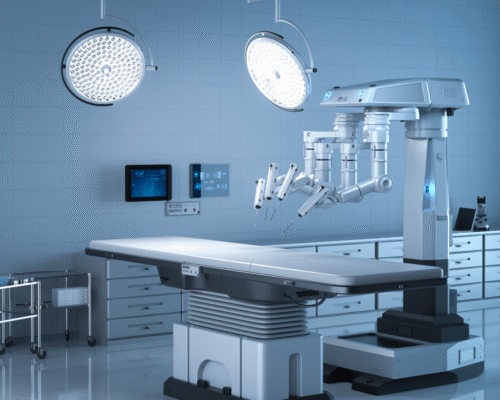
When a robotic surgery results in severe complications, permanent injuries, or wrongful death, determining responsibility can be significantly more complicated than in a traditional medical malpractice case. Multiple healthcare providers, hospitals, manufacturers, and service companies may all play a role in the procedure and the technology used to perform it.
At Leventhal Puga Braley P.C., our Denver robotic surgery error attorneys understand the unique challenges involved in determining liability when this technology fails, or when it is used improperly. We can review your situation and advise you about your options for seeking compensation to cover the cost of your medical bills, lost wages, and over damages.
What Is Robotic-Assisted Surgery?
Robotic-assisted surgery involves the use of computerized systems that allow surgeons to perform procedures using specialized instruments. Many robotic platforms allow surgeons to operate from a console that controls robotic arms equipped with surgical instruments and cameras. The surgeon directs the movements of the robot while viewing highly magnified, three-dimensional images of the surgical field.
It is important to remember that the robot does not operate independently! Human healthcare providers remain responsible for planning, performing, monitoring, and managing the procedure.
How Are Robotic Surgical Systems Used?
Robotic surgery is now utilized across numerous medical specialties. Although robotic surgery has become increasingly common, serious complications continue to occur.
Gynecological Surgery
Robotic systems are frequently used for:
- Hysterectomies
- Myomectomies
- Endometriosis treatment
- Pelvic organ prolapse repair
- Cancer-related procedures
Urological Surgery
Many urologic procedures involve robotic technology, including:
- Prostatectomy
- Kidney surgery
- Bladder surgery
- Ureter reconstruction
Cardiothoracic Surgery
Robotic-assisted systems may be used during:
- Heart valve repair
- Coronary artery procedures
- Lung resections
- Thoracic tumor removal
Colorectal Surgery
Robotic platforms are commonly used for:
- Colon resections
- Rectal surgery
- Treatment of colorectal cancer
- Inflammatory bowel disease procedures
General Surgery
General surgeons may utilize robotic systems for:
- Hernia repairs
- Gallbladder removal
- Bariatric surgery
- Gastrointestinal procedures
- Cancer surgery
Complications Associated With Robotic Surgery
Robotic-assisted procedures involve risks that may arise from human error, equipment malfunction, inadequate training, or system failures.
Some of the most common complications include:
- Organ Perforations. Robotic instruments can inadvertently puncture or damage internal organs. Affected structures may include the intestines, bladder, ureters, blood vessels, reproductive organs, and other nearby tissues or organs. Patients may develop life-threatening infections or internal bleeding.
- Internal Bleeding. Bleeding complications may occur when blood vessels are damaged during surgery or when surgical instruments malfunction. Severe blood loss can require emergency intervention, additional surgeries, blood transfusions, or intensive care treatment.
- Nerve Damage. Robotic procedures performed near major nerves may result in permanent nerve injuries. Potential consequences include chronic pain, weakness, numbness, paralysis, and loss of organ function.
- Burns Caused by Electrical Instruments. Many robotic systems use electrosurgical instruments that generate heat. Defective equipment, insulation failures, or improper use may result in thermal injuries to surrounding tissues and organs.
- Failing to Monitor Postoperatively. These injuries may only manifest after the conclusion of the surgery. Healthcare providers must monitor for post-surgical changes.
Determining Liability in Robotic Surgery Cases
Traditional surgical malpractice cases often focus primarily on the actions of the surgeon. Robotic surgery cases frequently involve numerous participants and complex technology systems. That’s why several parties may potentially share liability.
The Operating Surgeon
The surgeon remains one of the most important individuals in any robotic surgery case. Although the procedure utilizes advanced technology, surgeons are responsible for:
- Patient selection
- Surgical planning
- Proper use of equipment
- Intraoperative decision-making
- Recognizing complications
- Managing emergencies
Assisting Physicians and Surgical Staff
Robotic procedures require coordination among numerous healthcare professionals. Every member of the surgical team plays an important role in patient safety.
Potentially responsible parties may include:
- Assistant surgeons
- Surgical residents
- Operating room nurses
- Surgical technologists
- Anesthesia providers
Support personnel may contribute to patient harm by improperly positioning patients, failing to identify equipment problems, mismanaging surgical instruments, or ignoring warning signs during a procedure. Violations of established safety protocols can also increase the risk of preventable surgical injuries.
Hospitals and Healthcare Systems
Hospital liability may arise when healthcare facilities contribute to unsafe conditions or fail to maintain adequate safeguards.
Examples include:
- Inadequate surgeon training requirements
- Failure to monitor outcomes
- Insufficient staffing
- Poor credentialing practices
- Failure to implement safety protocols
- Failure to address known equipment issues
Surgical Training Programs
Proper training is essential to safe robotic surgery. Many surgeons must complete specialized training programs before performing robotic procedures independently. If a healthcare organization allows inadequately trained providers to perform robotic procedures, liability may extend beyond the individual surgeon.
Training-related issues may include:
- Inadequate instruction
- Insufficient supervision
- Failure to verify competency
- Inadequate simulation experience
- Lack of continuing education
Manufacturers of Medical Devices
Medical device manufacturers have a responsibility to produce reasonably safe products and provide adequate warnings regarding known risks.
When defective technology contributes to an injury, product liability claims may arise in addition to medical malpractice claims.
Product-related issues may include:
- Mechanical failures
- Software defects
- Instrument malfunctions
- Electrical failures
- Design defects
- Manufacturing defects
Maintenance Providers
Medical device manufacturers have a responsibility to produce reasonably safe products and provide adequate warnings regarding known risks. When defective technology contributes to an injury, product liability claims may arise in addition to medical malpractice claims.
Third-party service companies may be responsible for:
- Equipment calibration
- Software updates
- Mechanical inspections
- Repair services
- Preventive maintenance
Your Attorney Will Collect Evidence to Support Your Claim
Robotic surgery injuries often involve multiple contributing factors. Determining the truth requires a detailed investigation into every aspect of the procedure.
An experienced Denver surgical error lawyer may examine:
- Surgical decision-making
- Equipment performance
- Training records
- Communication failures
- Maintenance histories
- Safety protocols
- Device warnings and recalls
Speak With an Experienced Robotic Surgery Error Attorney in Denver
If you have suffered serious injuries following a robotic-assisted surgical procedure, contact Leventhal Puga Braley P.C. for a no-charge initial consultation.
Founded in 1981, Leventhal Puga Braley P.C. has earned a national reputation for handling complex medical malpractice cases and obtaining significant results for injured patients and their families.
Call (303) 759-9945 to learn more today.
Robotic Surgery Error FAQS
Can I sue if I was injured during a robotic-assisted surgery?
If your injury resulted from a breach of the standard of care, a defective surgical device, inadequate training, or another preventable error, you may have grounds to pursue a medical malpractice or product liability claim.
Who can be held liable when a robotic surgery goes wrong?
Several parties may potentially share responsibility, including the operating surgeon, assisting physicians, surgical staff, hospitals, healthcare systems, surgical training programs, medical device manufacturers, equipment maintenance providers, and third-party service vendors.
Can a hospital be responsible for a robotic surgery injury?
Yes. Hospitals may be liable if they failed to properly credential surgeons, provide adequate training, maintain safe staffing levels, enforce patient safety protocols, or address known equipment problems. Hospital liability may also arise when system-wide failures contribute to patient harm.
What compensation may be available after a robotic surgery injury?
Patients may be able to recover damages for medical expenses, future treatment costs, lost income, loss of earning capacity, rehabilitation, in-home care, pain and suffering, permanent disability, and other losses.
Contact Us
Categories
Recent Posts
 Locations We Serve
 Locations We Serve
- Arizona
- Colorado
- Hawaii
- Iowa
- Minnesota
- New York
- North Carolina
- Washington
- Wisconsin
- Wyoming