
Colorado Ski Lift Accidents: How Resorts Can Still Be Liable Despite Waivers
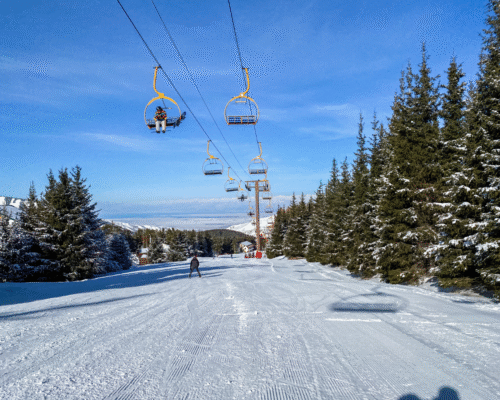
When ski lift operators act improperly or resorts fail to enforce safety protocols, the consequences can be devastating. While ski resorts rely heavily on waivers to protect themselves from liability, those waivers do not give them a free pass when serious misconduct occurs.
The Denver ski injury lawyers at Leventhal Puga Braley P.C. have been helping victims of catastrophic injuries get justice since 1981. When resorts fail to protect skiers, we build cases that expose those failures, and we fight to obtain meaningful results. In fact, we took a ski lift injury case all the way to the Colorado Supreme Court, and our client won a $20 million dollar landmark verdict against a major resort corporation.
How Resort Negligence Causes Ski Lift Injuries
Ski lifts are complex pieces of heavy machinery. When they are improperly operated, it creates an unacceptable risk for skiers. Negligent actions by ski lift operators and systemic breakdowns in training and oversight cause serious injuries under the following scenarios:
- Skiers falling during loading or unloading
- Sudden lift stops causing falls or collisions
- Improper speed control by lift operators
- Mechanical issues compounded by operator error
Do Liability Waivers Protect Ski Resorts?
Ski resorts in Colorado require guests to sign waivers acknowledging the risks of skiing. These waivers are legally enforceable in Colorado, but they have significant limitations. Waivers may limit liability for accidents related to the inherent risks of skiing and certain types of ordinary negligence. However, Colorado law does not allow resorts to avoid responsibility in all situations.
Waivers generally do not protect resorts against injuries caused by:
- Gross negligence
- Willful or reckless misconduct
- Chairlift safety violations
When Can Resorts Be Liable for Ski Lift Injuries?
Even with a signed waiver, resorts may face liability when their conduct crosses a legal threshold.
What is Gross Negligence?
Gross negligence involves a serious disregard for safety. It is more than a simple mistake. It reflects a failure to act with basic care.
Examples include:
- Ignoring known hazards
- Failing to properly train staff
- Operating lifts under unsafe conditions
What Causes Ski Lift Accidents?
Understanding how these incidents happen helps identify when a valid claim may exist.
Improper Loading and Unloading
Improper ski lift loading and unloading injuries are among the most dangerous ski slope hazards. Operators must control speed, timing, and rider flow. Failures that cause injury include:
- Starting the lift too quickly
- Failing to assist struggling riders
- Not stopping the lift when needed
Operator Inattention
Ski lifts require constant monitoring. A distracted or inattentive operator can overlook dangerous situations as they develop. A negligent ski lift operator may:
- Fail to notice a fallen skier
- Delay stopping the lift at a critical moment
- Misjudge loading conditions
Inadequate Training and Staffing
Resorts must ensure staff are properly trained and sufficient in number. Poor ski lift training and inadequate staffing create dangerous conditions, especially during peak times. Problems include:
- Understaffed lift operations
- Poorly trained seasonal workers
- Lack of supervision
Failure to Enforce Safety Protocols
Every lift operation has strict safety rules. When those rules are ignored, the risks are dramatically increased. Ski lift safety protocol violations may include:
- Failing to slow lifts for beginners
- Ignoring overcrowding at loading zones
- Not enforcing proper seating or positioning
How Colorado Law Applies to Ski Lift Accidents
Two key legal frameworks govern these cases.
The Colorado Ski Safety Act
The Colorado Ski Safety Act outlines the responsibilities of both skiers and ski area operators. While it recognizes inherent risks, it does not excuse negligent conduct. Under the law, resorts must:
- Maintain equipment properly
- Operate lifts safely
- Follow established safety standards
Proving Negligence After a Ski Lift Accident
Ski lift injury claims require strong evidence and a detailed investigation. Key evidence may include:
- Incident reports and lift operation logs
- Witness statements
- Surveillance or resort footage
- Maintenance and inspection records
- Training and staffing documentation
What to Do After a Ski Lift Accident
If you are injured, there are steps you can take to protect your health and strengthen a personal injury claim.
- Seek immediate medical attention
- Report the incident to resort staff
- Preserve any available evidence
- Consult with an experienced ski injury attorney
Damages Available for Ski Lift Accident Injury Victims
When a resort’s actions rise to the level of gross negligence, injured skiers may be eligible to pursue compensation that reflects the full impact of the harm suffered. These claims are not limited to immediate medical expenses; they also account for long-term effects on a person’s ability to work, function, and maintain independence, particularly in cases involving permanent injury or the need for ongoing, in-home care.
Damages may include:
- Medical expenses, including emergency treatment, surgery, and rehabilitation
- Future medical care and long-term, in-home care needs
- Lost wages and diminished earning capacity
- Pain and suffering
- Emotional distress
- Loss of enjoyment of life
- Permanent disability or physical impairment
- Scarring or disfigurement
- Ongoing therapy or assistive medical equipment costs
Speak With a Trusted Ski Accident Injury Attorney in Denver
When ski resorts fail to operate safely, they must be held accountable. Our legal team at Leventhal Puga Braley P.C. is prepared to evaluate your case and determine the best path forward, and we know how to win these cases.
Our attorneys have earned top rankings from Martindale-Hubbell, including being AV Rated, an honor bestowed on lawyers with the highest ethical standards and legal ability.
We offer no charge for initial consultations.
Call (303) 759-9945 or toll-free at (877) 433-3906 to learn more today.
Ski Lift Accident Injury FAQs
Can I still file a claim if I signed a ski resort waiver?
Yes. While ski accident waiver laws in Colorado allow resorts to limit liability for certain risks, waivers do not protect against gross negligence or willful misconduct. If a resort’s actions go beyond ordinary risks, such as failing to follow basic safety procedures, you could still have a valid claim.
What are common examples of negligent ski lift operation?
A negligent ski lift operator may fail to properly monitor riders, fail to stop the lift when needed, or fail to control loading and unloading safely. These mistakes often lead to falls, collisions, or entanglement injuries that could have been prevented.
How do improper loading and unloading accidents happen?
Injuries occur when lifts are moving too quickly, operators fail to assist struggling riders, or overcrowding is not managed.
What evidence is needed to prove a ski lift injury claim?
Strong cases may rely on incident reports, witness statements, maintenance records, surveillance footage, and other evidence that is collected and presented by your attorney.
Contact Us
Categories
Recent Posts
 Locations We Serve
 Locations We Serve
- Arizona
- Colorado
- Hawaii
- Iowa
- Minnesota
- New York
- North Carolina
- Washington
- Wisconsin
- Wyoming