
When Are Ski Resorts Liable for Injuries in Colorado?
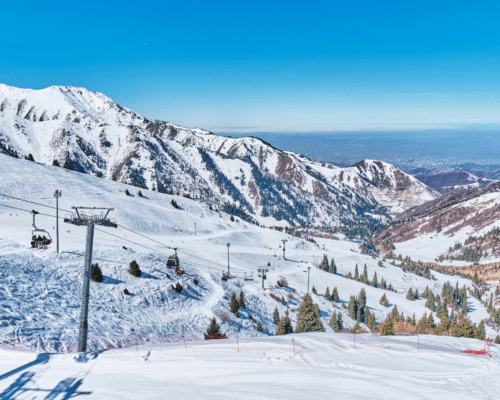
You might have heard that ski resorts aren’t liable for injuries that happen on the slopes, but that simple isn’t true. When ski resorts fail to follow safety requirements or ignore preventable dangers, those failures may give rise to injury liability claims and lawsuits.
The Denver ski injury lawyers at Leventhal Puga Braley P.C. represent people who have suffered catastrophic harm due to negligent conduct or legal violations. We have won major cases against Colorado resorts in cases involving preventable negligence. We even took a case all the way to the Colorado Supreme Court to get justice for our client.
Ski Resorts Have Clear Responsibilities Under the Law
Under the Colorado Ski Safety Act, skiers are considered to have accepted certain risks simply by participating in the activity. But that doesn’t mean resorts have total immunity.
Ski resorts have clearly defined responsibilities. When those duties are violated, and that breach of standard of care is connected to an injury, liability may exist. The central legal issue in these cases is whether the injury resulted from a condition the resort had a duty to address.
When Ski Resort Liability Applies
Ski resorts may be held accountable when they create or fail to correct dangerous conditions that go beyond inherent risks. These situations may involve:
- Improperly operated ski lifts
- Dangerous or poorly marked trails
- Unmarked or inadequately protected hazards
- Unsafe grooming practices
Preventable Lift-Related Injuries
Ski lifts are highly regulated systems that require careful operation and maintenance. When something goes wrong, the resulting injuries may be severe. A ski lift injury liability case may arise when a skier is struck, improperly loaded, falls, or is thrown from a lift due to operational failures.
Ski resorts have a duty to properly train lift operators, maintain equipment in safe working condition, and monitor lift operations continuously. Causes of ski lift liability include:
- Operator error during loading or unloading
- Sudden stops or jerking movements
- Mechanical failures due to poor maintenance
- Miscommunication between lift operators
Poor Trail Marking and Dangerous Intersections
Clear trail signage is essential for skier safety. Ski resorts are responsible for providing adequate warnings about known dangers. When they fail to do so, the resulting injuries may not be considered inherent risks under the law.
Here are some examples of poor trail markings that cause ski accidents:
- Unmarked trail merges leading to collisions
- Missing signage indicating advanced or expert terrain
- Inadequate warnings for closed or hazardous areas
Hidden Hazards That Cause Injuries
Some of the most serious ski injuries involve hazards that are not readily visible or expected. Ski resort injury liability cases may involve hidden hazards, where the resort failed to take reasonable steps to mitigate or warn of dangers.
If a hazard is not obvious and not inherent to skiing, the resort may have a duty to mark the hazard clearly, pad or shield dangerous structures, or rope off hazardous areas.
Examples of hidden hazards:
- Snowmaking equipment left exposed
- Unmarked tree stumps or debris
- Unpadded lift towers or poles
- Man-made features on trails
- Equipment or vehicles left in skiable areas
Waivers Don’t Protect Resorts From Gross Negligence or Legal Violations
Most Colorado ski resorts require participants to sign liability waivers. These agreements are designed to limit claims, but they are not absolute. Waivers often attempt to release resorts from liability for ordinary negligence and injuries arising from inherent risks related to skiing.
The presence of a waiver does not automatically prevent a claim. Ski resort waiver enforceability has important limits. Waivers may not protect a resort when:
- The conduct rises to gross negligence
- The resort violates statutory duties under the Ski Safety Act
- The language of the waiver is unclear or overly broad
What to Do After a Ski Resort Injury
If you are injured at a Colorado ski resort, taking appropriate steps may help clarify what occurred and protect your legal rights.
- Seeking prompt medical treatment
- Noting the location and conditions of the incident
- Collect contact information from witnesses
- Capturing photos of unsafe conditions that contributed to your injuries
- Consulting an attorney who is experienced in ski resort liability cases
Speak With an Experienced Denver Ski Injury Lawyer
Leventhal Puga Braley P.C. is a premier personal injury law firm with an impressive track record when it comes to getting justice for accident victims in Colorado and across the country. We are prepared to evaluate whether your case may involve a breach of the standard of care.
Our attorneys have earned an AV Rating from Martindale-Hubbell, which is their highest ranking for ethical standards and legal ability. We have also been recognized by Super Lawyers based on peer reviews and independent research.
Call (303) 759-9945 or toll-free at (877) 433-3906 to learn more today. We offer a no-charge consultation.
Ski Injury Liability FAQs
When are ski resorts liable for injuries in Colorado?
Ski resorts may be liable for injuries when they breach the standard of care and that breach is connected to the skier’s harm. Resorts may be held accountable for preventable dangers such as unsafe lift operations, poor trail marking, or failure to address known hazards.
What is ski lift accident liability?
Ski lift accident liability may arise when a skier is injured due to operator error or mechanical failure. Resorts have a duty to properly maintain lifts and ensure safe operation. If a lift malfunction or improper handling leads to injury, it may constitute a breach of standard of care.
Can a ski resort be responsible for poor trail marking?
Yes. If inadequate signage contributes to a collision or injury, the resort may be held responsible for failing to warn skiers of foreseeable risks.
What are hidden hazards in ski resort negligence cases?
Hidden hazards are dangers that are not obvious to skiers, such as unmarked snowmaking equipment, tree stumps, or unpadded structures. Cases involving ski resort negligence may focus on whether the resort failed to mark, pad, or remove these dangers, creating an unreasonable risk of harm.
Contact Us
Categories
Recent Posts
 Locations We Serve
 Locations We Serve
- Arizona
- Colorado
- Hawaii
- Iowa
- Minnesota
- New York
- North Carolina
- Washington
- Wisconsin
- Wyoming