
Problems With a Defective Hip Replacement in Denver? Know Your Legal Options
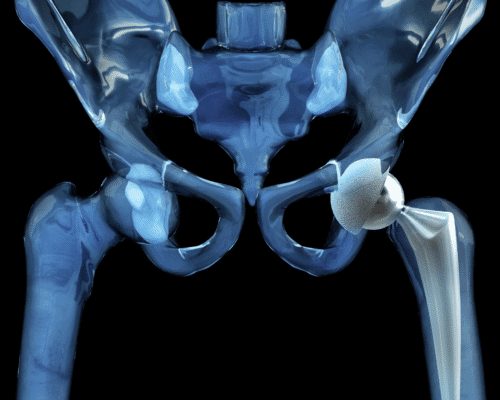
Hip replacement surgery is supposed to improve mobility and reduce chronic pain. But a defective hip implant could lead to additional surgeries, severe complications, and permanent physical limitations.
Defective medical devices cause devastating harm. When a hip implant fails due to a dangerous design, manufacturing defect, or inadequate warnings about known risks, injured patients may have legal options. A medical product liability claim may help you pursue compensation for the losses you have suffered and the care you may need moving forward.
The Denver medical product liability lawyers at Leventhal Puga Braley P.C. have decades of experience handling catastrophic injury and medical malpractice cases nationwide. Since 1981, our firm has represented individuals and families harmed by dangerous medical products and negligent medical care.
What Makes a Hip Replacement Device Defective?
A hip replacement device may be considered defective if it contains a dangerous flaw that causes injury or premature failure. In many cases, the problem is with the device implanted into the patient’s body.
Hip replacement systems generally include several components designed to work together to restore movement in the hip joint. Even a single defective component can lead to serious complications.
Common types of defects include:
- Design defects that make the implant inherently unsafe
- Manufacturing defects that occur during production
- Poor-quality materials that deteriorate prematurely
- Inadequate warnings about known complications or failure risks
Some hip implants have been linked to high failure rates because metal components release debris into the surrounding tissue. Others have loosened, fractured, or dislocated far earlier than expected.
Patients often require revision surgery to remove and replace the defective implant. Revision procedures are typically more complex and invasive than the original surgery and may involve additional risks and longer recovery periods.
Signs of a Defective Hip Replacement
A failing hip implant may cause symptoms to develop gradually or suddenly. Some individuals initially believe post-surgical discomfort is normal and delay seeking medical attention. Unfortunately, waiting too long to address complications can worsen the damage.
Common signs of a defective hip replacement include:
- Persistent or worsening hip pain
- Swelling around the joint
- Difficulty walking or standing
- Instability or loosening of the implant
- Clicking or grinding sensations
- Reduced mobility
- Inflammation or infection
- Leg length discrepancies
- Bone fractures near the implant
In certain cases, metal-on-metal implants have caused metallosis, a condition involving metal poisoning from implant debris entering the bloodstream and surrounding tissues. Metallosis may contribute to tissue destruction, nerve damage, and systemic complications affecting other parts of the body.
Why Hip Replacements Fail
Several factors may contribute to device failure:
- Dangerous Design. Some hip replacement systems were designed using materials or component structures later shown to create unreasonable risks. Certain metal-on-metal implants, for example, generated microscopic metal particles during normal movement.
- Manufacturing Problems. Manufacturing errors may compromise the integrity of the implant. Contamination, poor assembly, or material inconsistencies may increase the likelihood of premature failure.
- Inadequate Testing. Some medical devices entered the market without extensive long-term testing. Patients may have received implants before manufacturers fully understood the product’s risks.
- Failure To Warn. Manufacturers have a responsibility to provide adequate warnings about known risks. If a company knew of elevated failure rates or dangerous complications and failed to warn surgeons or patients properly, injured individuals may have grounds for a claim.
Complications Associated With Defective Hip Implants
A defective hip replacement may affect nearly every aspect of a person’s life. Some patients experience chronic pain and reduced mobility that prevent them from returning to work or enjoying daily activities.
Potential complications include:
- Severe tissue damage
- Bone loss
- Nerve injuries
- Chronic inflammation
- Infection
- Blood clots
- Dislocation
- Metallosis
- Difficulty walking
- Need for multiple surgeries
- Permanent disability
In catastrophic cases, patients may require long-term medical treatment and in-home care. The physical and emotional toll of repeated surgeries and prolonged recovery can be overwhelming.
Who May Be Liable for a Defective Hip Replacement?
Our Denver medical malpractice attorneys at Leventhal Puga Braley P.C. work closely with qualified medical professionals and technical experts to investigate complex injury claims and identify all responsible parties.
Liable parties may include:
- Medical Device Manufacturers. Manufacturers may be held accountable if a dangerous design, manufacturing defect, or failure to warn contributed to patient injuries.
- Distributors or Suppliers. Companies that distribute defective medical devices may also bear responsibility in some cases.
- Medical Providers. Certain claims may involve both defective products and medical malpractice. For example, if a surgeon implanted an inappropriate device or failed to monitor complications properly, additional legal claims may arise.
Speak With a Trusted Medical Product Liability Lawyer in Denver
Patients experiencing complications after hip replacement surgery should seek prompt medical evaluation. Imaging studies, blood testing, and orthopedic evaluations may help determine whether the implant has failed.
Leventhal Puga Braley P.C. has years of experience handling defective medical device cases involving serious medical harm. Our attorneys have earned national recognition and AV ratings from Martindale-Hubbell for high legal ability and ethical standards.
Call (303) 759-9945 or toll-free at (877) 433-3906 to learn more today. There is no charge for initial consultations.
Frequently Asked Questions About Defective Hip Replacements in Denver
How do I know if my hip replacement may be defective?
A defective hip replacement may cause symptoms such as chronic pain, swelling, instability, difficulty walking, clicking sounds, or reduced mobility. If you have concerns, consult a medical professional for a second opinion, and talk to an attorney about your legal options. Look in your medical records to see the information about the medical device used in your case. Our lawyers need this information to help you evaluate your claim.
Can I file a lawsuit if my hip implant was recalled?
Yes. A recall may strengthen a claim by providing evidence that the device posed safety concerns. However, even if the product hasn’t been recalled, manufacturers may still be held accountable for dangerous defects, inadequate warnings, or other product-related problems that caused harm.
What compensation may be available in a defective hip replacement case?
Individuals harmed by defective hip implants may be able to pursue compensation for medical expenses, revision surgeries, rehabilitation, lost income, pain and suffering, and other losses. In catastrophic injury cases, compensation may also include future treatment costs and in-home care needs.
Who may be held responsible for a defective hip replacement?
Liable parties may include medical device manufacturers, distributors, suppliers, or medical providers.
Contact Us
Categories
Recent Posts
 Locations We Serve
 Locations We Serve
- Arizona
- Colorado
- Hawaii
- Iowa
- Minnesota
- New York
- North Carolina
- Washington
- Wisconsin
- Wyoming