
Punitive Damages in Denver DUI Accidents: When Drunk Driving Leads to Damages Beyond Standard Compensation
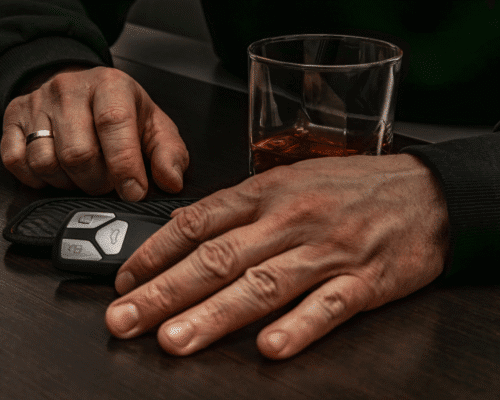
Drunk driving accidents are not just mistakes; they are the result of reckless decisions that put lives at risk. When a driver chooses to get behind the wheel while impaired, the consequences can be devastating.
Colorado law allows victims to pursue punitive damages in cases involving “willful and wanton misconduct.” These damages are designed to punish and discourage egregious behavior.
The Denver DUI accident injury lawyers at Leventhal Puga Braley P.C. represent individuals and families who have been harmed by drunk driving. These cases may rise to the level of gross negligence, opening the door to additional recovery through punitive damages.
What Are Punitive Damages in DUI Cases?
Punitive damages, which are referred to as exemplary damages under Colorado law, are awarded to punish the wrongdoer and deter similar conduct in the future. Drunk driving often falls squarely into this category because it involves a conscious disregard for the safety of others.
In a DUI injury lawsuit, the court may award these damages when the defendant’s behavior demonstrates:
- Fraud
- Malice
- Willful and wanton conduct
Understanding Willful and Wanton Conduct
Colorado law defines willful and wanton conduct as actions taken with reckless disregard for the consequences or the rights and safety of others.
In DUI cases, this can include:
- Driving with a high blood alcohol concentration (BAC)
- Ignoring obvious signs of impairment
- Repeatedly engaging in drunk driving behavior
- Driving at excessive speeds while intoxicated
How Evidence of DUI Strengthens a Punitive Damages Claim
Strong evidence is required when pursuing punitive damages; in Colorado punitive damages must be proved beyond a reasonable doubt. In DUI cases, certain types of evidence can significantly strengthen your claim.
Key evidence includes:
- BAC levels show the degree of intoxication
- Prior DUI offenses demonstrate a pattern of behavior
- Criminal convictions related to the incident
- Police reports and officer observations
- Witness testimony regarding erratic driving
DUI Scenarios That May Warrant Punitive Damages
There are cases where the DUI driver’s recklessness rises to the level where an award for punitive damages is appropriate. For example, a driver with multiple prior DUI convictions who causes a high-speed crash presents a compelling case for exemplary damages in DUI cases.
Factors that may lead a court to impose punitive damages include:
- Repeat DUI Offender. A driver with prior DUI convictions causes a fatal or catastrophic crash. The history of repeated behavior shows a clear disregard for safety, supporting a strong punitive damages claim.
- High-Speed Collision. An intoxicated driver traveling well above the speed limit causes a serious accident. The combination of speed and impairment demonstrates reckless conduct.
- Extreme BAC Levels. A driver with a significantly elevated BAC causes a crash. The higher the BAC, the stronger the argument that the conduct was willful and wanton.
When Can You Add Punitive Damages to a Lawsuit?
Colorado law does not allow plaintiffs to request punitive damages in the initial complaint. Instead, they must seek permission from the court to amend their claim.
To do this, the plaintiff must:
- Present evidence supporting willful and wanton conduct
- Show a reasonable likelihood of proving entitlement to punitive damages
Are There Limits on Punitive Damages?
Colorado law places limits on punitive damages, but there are important nuances.
The General Rule
Punitive damages are typically capped at an amount equal to the actual damages awarded.
Exceptions to the General Rule
The court may increase punitive damages up to three times actual damages if:
- The defendant continues harmful behavior during the case
- The conduct is particularly egregious
Why These Cases Require an Experienced Attorney
Insurance companies will fight aggressively to limit exposure in these cases. Without experienced representation, it can be difficult to meet the legal threshold for punitive damages.
Pursuing punitive damages requires:
- Strong evidence of reckless conduct
- Strategic timing to amend the complaint
- Knowledge of Colorado’s legal standards and caps
At Leventhal Puga Braley P.C., we understand how to build these cases from the ground up, using evidence, expert analysis, and legal strategy to maximize recovery. Our attorneys have earned top rankings from Martindale-Hubbell, including an AV rating, an honor bestowed on lawyers with the highest ethical standards and legal ability.
Holding Drunk Drivers Accountable
Drunk driving is a preventable act. When someone chooses to drive under the influence, they are making a decision that can permanently alter lives.
Pursuing a claim that involves punitive damages serves a broader purpose:
- It holds the driver accountable
- It reinforces the seriousness of the conduct
- It helps deter future incidents
Speak With an Experienced Denver Injury Attorney
If you’ve been harmed in a drunk driving accident, you may be entitled to pursue more than standard compensation. At Leventhal Puga Braley P.C., we know how to build strong cases, present compelling evidence, and fight for the full compensation you deserve.
There is no charge for initial consultations. We handle serious injury cases across Colorado and nationwide.
Call (303) 759-9945 to learn more today.
FAQs About DUI Injuries and Punitive Damages in Colorado
What are punitive damages in a DUI accident case?
Punitive damages, also known as exemplary damages in Colorado, are awarded to punish a drunk driver for reckless behavior and to deter similar conduct. Unlike other damages, they are not meant to compensate the victim but to hold the wrongdoer accountable for extreme misconduct.
When can punitive damages be awarded in a Denver DUI case?
Punitive damages may be awarded when the driver’s actions rise to the level of willful and wanton conduct. This typically includes situations where a driver knowingly operated a vehicle while intoxicated, especially with a high BAC or a history of prior DUI offenses.
What do I have to prove to recover punitive damages?
In addition to proving negligence, you must show that the driver acted with reckless disregard for the safety of others. This often requires strong evidence such as toxicology reports, prior convictions, or proof of extreme impairment.
Can I include punitive damages in my initial lawsuit?
No. Under Colorado law, you generally cannot request punitive damages in the initial complaint. You must first present evidence during the case and then ask the court for permission to amend your claim to include it.
Are punitive damages capped in Colorado DUI cases?
Yes, punitive damages are typically capped at an amount equal to the actual damages awarded. However, in certain cases involving particularly egregious conduct, the court may increase the award up to three times the actual damages.
How does receiving punitive damages affect my overall compensation?
Punitive damages are awarded in addition to economic and non-economic damages, which cover financial losses and personal harm. If granted, punitive damages can significantly increase the total recovery and send a strong message about the seriousness of drunk driving behavior.
Contact Us
Categories
Recent Posts
 Locations We Serve
 Locations We Serve
- Arizona
- Colorado
- Hawaii
- Iowa
- Minnesota
- New York
- North Carolina
- Washington
- Wisconsin
- Wyoming