
A Denver Attorney Explains Who Is Liable for Apartment Slip and Fall Injuries
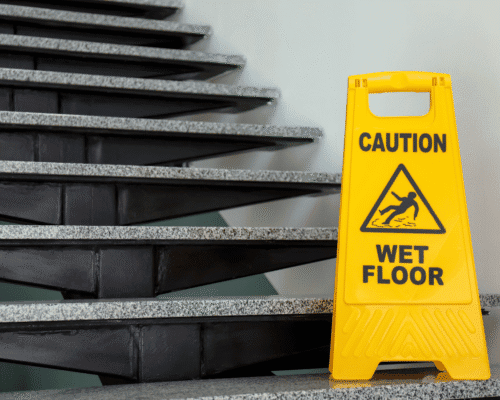
A slip and fall accident in an apartment complex can change a person’s life in seconds. Wet walkways, broken staircases, poor lighting, icy sidewalks, or neglected maintenance issues may result in devastating injuries that require extensive medical treatment, time away from work, and long-term rehabilitation.
Colorado law requires apartment owners and others who are responsible for maintaining residential properties to take reasonable steps to keep their premises safe for lawful visitors. When they fail to do so, injured individuals may have the right to pursue compensation under the Colorado Premises Liability Act.
The Denver slip and fall attorneys at Leventhal Puga Braley P.C. have been getting justice for people suffering from catastrophic injuries since 1981. We are prepared to seek maximum compensation for people who have been harmed by the negligent actions of others.
What Causes Apartment Slip and Fall Accidents?
Apartment complexes contain numerous common areas that must be reasonably maintained for residents, guests, delivery personnel, and others legally on the property. When maintenance is neglected or dangerous conditions remain unaddressed, serious accidents may occur.
Some of the most common hazards include:
- Wet or slippery floors in hallways or entryways
- Snow- and ice-covered sidewalks
- Broken or uneven stairs
- Loose or damaged handrails
- Uneven sidewalks or cracked pavement
- Torn carpeting
- Poor lighting in stairwells, parking lots, or walkways
- Water leaks that create slippery surfaces
- Debris left in common walkways
- Damaged flooring or loose tiles
Apartment owners and property managers should have systems in place to identify and address hazardous conditions within a reasonable amount of time. When they fail to correct known dangers or ignore issues that should have been discovered through reasonable inspections, injured victims may have grounds to pursue a claim under the Colorado Premises Liability Act.
Who Can Be Liable for Slip and Fall Accidents?
Liability depends largely on who had responsibility for maintaining or controlling the area where the fall occurred. An attorney will investigate contracts, maintenance records, inspection reports, and property ownership documents to determine which parties controlled the area where the accident occurred.
Apartment Owners
Property owners have legal duties to maintain common areas in reasonably safe conditions. A property owner may be responsible for injuries that result if they knew about a dangerous condition and failed to either repair it or provide adequate warning. Property owners may also be liable if it is reasonable to assume that they should have known about a dangerous condition that they failed to address.
Property Management Companies
Many apartment communities hire professional management companies to oversee maintenance, inspections, repairs, and tenant safety. When a management company’s failure to address known hazards contributes to an accident, it may share responsibility.
Maintenance Contractors
Outside contractors often perform snow removal, landscaping, cleaning, flooring repairs, or maintenance services. If negligent work creates a dangerous condition, the contractor may also be liable.
Property Owners’ Associations
Many apartment or condominium communities are governed by associations responsible for maintaining sidewalks, parking lots, stairways, or other shared spaces. Depending on the circumstances, the association may bear responsibility.
Other Third Parties
In some situations, another party may create the dangerous condition that resulted in the accident. Construction companies, vendors, or cleaning services may be liable if their actions created an unreasonable hazard.
Understanding the Colorado Premises Liability Act
The Colorado Premises Liability Act establishes the legal framework governing injury claims against landowners. Rather than relying solely on general negligence principles, most claims involving dangerous property conditions are evaluated under this statute.
The law generally classifies visitors as invitees, who enter the property for the landowner’s business or mutual benefit; licensees, who enter with permission for their own purposes, such as apartment residents or social guests; and trespassers, who enter the property without permission. Landowners owe the highest duty of care to invitees, more limited duties to licensees, and only very limited duties to trespassers.
To recover compensation, an injured person generally must establish that:
- The defendant qualifies as a landowner under the law.
- A dangerous condition existed on the property.
- The landowner failed to meet the duties imposed by the Colorado Premises Liability Act.
- That failure was a cause of the victim’s injuries.
- The injured person suffered compensable damages.
Evidence That Supports an Apartment Slip and Fall Injury Claim
Filing a successful slip and fall personal injury claim or lawsuit requires clear evidence that the hazard was preventable and dangerous conditions were ignored. Important evidence may include:
- Your rights to be on the property
- Accident scene photographs
- Surveillance camera footage
- Maintenance records
- Inspection reports
- Incident reports prepared by apartment management
- Witness statements
- Weather records when snow or ice is involved
- Repair requests submitted by tenants
- Prior complaints involving the same hazardous condition
- Medical records documenting injuries
- Expert testimony regarding property maintenance standards
Serious Injuries Caused by Slip and Fall Accidents
The severity of slip and fall injuries depends on the condition of the property and the force of the fall. Victims may suffer:
- Traumatic brain injuries
- Spinal cord damage
- Broken bones requiring surgery
- Long-term mobility limitations
- Chronic pain that affects daily function
- Nerve damage leading to loss of sensation or strength
- Hip fractures, particularly in older adults
Damages Available for Apartment Slip and Fall Injuries
A serious rental property slip and fall accident can leave lasting physical, financial, and personal consequences. These claims are not limited to immediate medical bills; they also account for how the injury affects a person’s ability to work, function, and live independently over time.
Damages may include:
- Past medical expenses
- Future medical treatment
- Rehabilitation costs
- Physical therapy
- Prescription medications
- Lost income
- Reduced earning capacity
- Pain and suffering
- Emotional distress
- Permanent disability
- Permanent impairment
- Scarring and disfigurement
- Costs associated with necessary in-home care
What to Do After a Slip and Fall in an Apartment Complex
If you have been injured, acting quickly can protect your health and improve your ability to pursue a claim.
- Seek immediate medical care
- Report the incident to management
- Preserve any available evidence
- Take pictures of the accident scene
- Speak with an experienced premises liability attorney
Speak With an Experienced Denver Slip and Fall Injury Lawyer
If your injuries resulted from hazardous conditions at an apartment complex, the Denver premises liability lawyers at Leventhal Puga Braley P.C. are prepared to evaluate your case. We have earned national recognition for handling catastrophic injury litigation. Our attorneys have earned an AV Rating from Martindale-Hubbell, which is their highest ranking for ethical standards and legal ability.
Call (303) 759-9945 or toll-free at (877) 433-3906 to schedule a free consultation today.
Frequently Asked Questions About Apartment Slip and Fall Injuries
Who may be responsible if I slip and fall at an apartment complex?
Liability depends on who owned, controlled, or maintained the area where the accident occurred. Potentially responsible parties may include the apartment owner, property management company, maintenance contractors, homeowners’ associations, or another third party that created the dangerous condition.
What evidence helps prove an apartment slip and fall claim?
Successful premises liability claims are often supported by evidence such as surveillance footage, maintenance records, inspection reports, incident reports, witness statements, medical records, photographs of the hazard, and documentation showing prior complaints about the dangerous condition. An attorney can work quickly to preserve this evidence before it is lost or destroyed.
What is the Colorado Premises Liability Act?
The Colorado Premises Liability Act is the state law that governs most injury claims arising from dangerous conditions on another person’s property. It establishes when a landowner may be held responsible for injuries and outlines the legal duties owed to visitors based on their status on the property.
Why should I hire a Denver apartment slip and fall attorney?
Apartment slip and fall cases often involve disputed issues regarding property ownership, maintenance responsibilities, and whether the responsible party knew or should have known about the dangerous condition. An experienced attorney can investigate the accident, preserve critical evidence, identify all liable parties, negotiate with insurance companies, and, when necessary, present your case at trial to pursue the compensation you may be entitled to recover.
Contact Us
Categories
Recent Posts
 Locations We Serve
 Locations We Serve
- Arizona
- Colorado
- Hawaii
- Iowa
- Minnesota
- New York
- North Carolina
- Washington
- Wisconsin
- Wyoming